
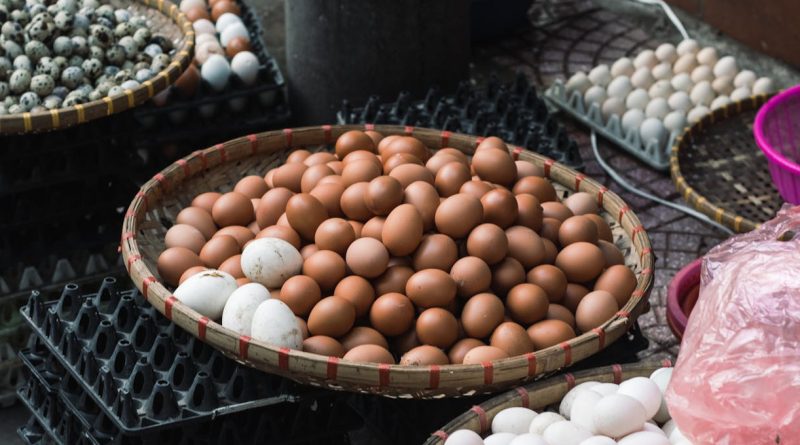
Are you sure those eggs is (ok) eggs
With Easter approaching, many in the South West will be enjoying a meal out with family or friends. But what most don’t realise is that cafes, restaurants and pubs may be serving up imported, low-welfare eggs laid by hens kept in conditions that have been illegal in British farming for more than a decade.
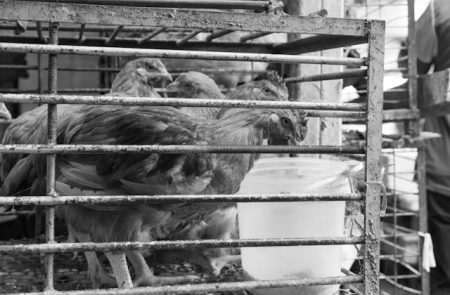
While battery cages were banned in the UK in 2012, food venues are still legally allowed to use imported eggs from hens kept in these cruel conditions. This may come as an unpleasant surprise to many – our research shows that 76% of people in the South West were not aware that some UK cafés, restaurants, and food manufacturers in the UK use imported eggs from hens kept in lower-welfare conditions, such as battery cages, which are banned in UK food production.
Shockingly, there is no requirement for food venues to disclose to their customers where their eggs are sourced or how they were produced. Research shows that 83% of South Westerners check labels on supermarket eggs, and the same number agree that food venues should be required to tell customers where the animal products they use come from. Yet only a tiny 25% of those who consume eggs say that, when dining out, they ask about how the eggs used in their food were produced.
 This “out of sight, out of mind” loophole means we may be unknowingly supporting low-welfare practices we would never accept in our weekly food shop.
The good news is that you can help make a difference by simply asking venues where their eggs come from. Choosing restaurants, pubs and cafes that prioritise higher-welfare sourcing, such as those with the RSPCA Assured label, helps support UK farmers and protects animal welfare.
More details are on the RSPCA website here